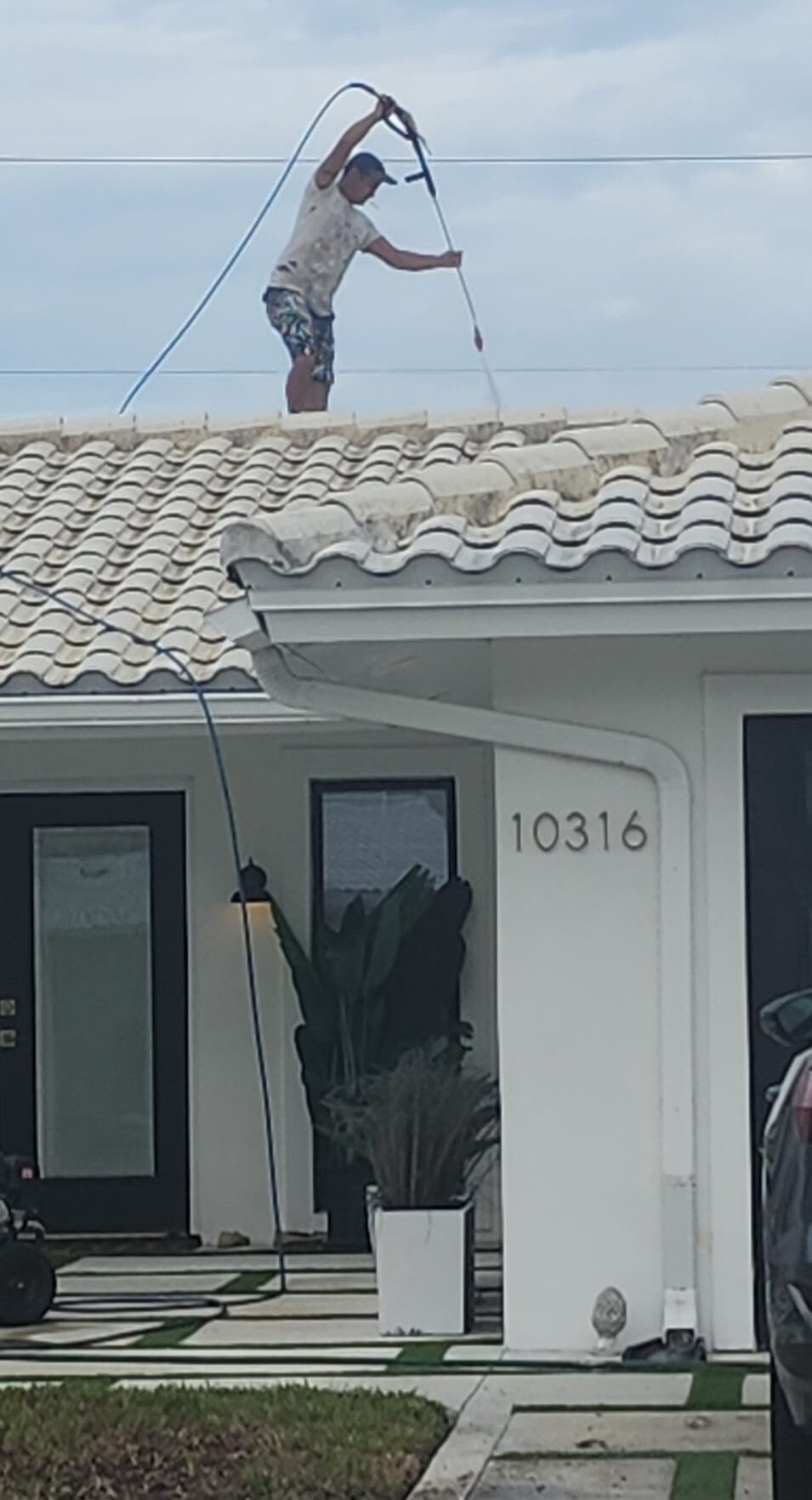
Soft washing is one of the safest and most effective methods for cleaning your home’s exterior, including roofs, siding, stucco, and other delicate surfaces. Unlike traditional pressure washing, soft washing uses low-pressure water and specialized cleaning solutions to remove dirt, algae, mold, mildew, and organic buildup.
However, when soft washing is performed incorrectly, it can cause more problems than it solves.
Whether you’re planning to clean your home’s exterior or hire a professional soft-washing company, understanding what to avoid can help protect your property and prevent unnecessary damage.
Here are six common soft-washing mistakes you should avoid.
1. Don’t Use High Pressure on Delicate Surfaces
One of the biggest misconceptions about exterior cleaning is that higher water pressure produces better results.
In reality, excessive pressure can damage delicate exterior materials, including:
- Stucco and painted surfaces
- Vinyl and other types of siding
- Roof shingles
- Window screens and screened enclosures
- Exterior trim and decorative finishes
High-pressure water can strip paint, loosen materials, damage protective coatings, and force moisture into areas where it shouldn’t go.
Why Low-Pressure Cleaning Matters
Soft washing relies on the right cleaning solutions, controlled application, and gentle rinsing rather than powerful water pressure.
The goal is to remove unwanted buildup while protecting the surface underneath.
2. Don’t Rush the Soft-Washing Process
A proper soft-washing job takes time, and that’s usually a good thing.
If a professional cleaning company spends several hours working on your property, it doesn’t necessarily mean they’re working slowly. They may be following the necessary steps to clean your exterior safely and thoroughly.
What Does a Proper Soft-Washing Process Include?
A professional soft-washing service may involve:
- Property inspection: Evaluating exterior surfaces and identifying areas that need special attention.
- Surface preparation: Protecting landscaping, outdoor furniture, and surrounding areas.
- Cleaning solution application: Applying suitable cleaning products based on the surface and type of buildup.
- Dwell time: Allowing the cleaning solution enough time to work effectively.
- Gentle rinsing: Removing cleaning solutions and loosened contaminants where appropriate.
- Final inspection: Checking the results and addressing areas that require additional attention.
Why You Should Avoid Quick Cleaning Promises
If someone promises to clean your entire home’s exterior in just a few minutes, ask about their cleaning method.
A thorough cleaning process should account for the property’s size, surface conditions, and necessary precautions.
Quality exterior cleaning should never be rushed at the expense of safety.
3. Don’t Scrub or Blast Away Organic Growth
Algae, mold, mildew, and other organic contaminants can build up on your home’s exterior over time.
These contaminants are common on roofs, siding, stucco, and shaded areas exposed to moisture.
Trying to remove them with aggressive scrubbing or high-pressure water can damage the surface.
Why Treating Organic Growth Is Important
Soft washing uses appropriately selected cleaning solutions to treat organic buildup without relying on excessive force.
Rather than aggressively blasting contaminants away, the process allows the cleaning solution to break down or treat the growth before it is gently removed or allowed to release naturally, depending on the surface.
This approach is especially important for roofing materials, painted finishes, and other surfaces that can be damaged by pressure.
4. Don’t Ignore Landscaping and Surrounding Areas
Professional soft washing involves more than cleaning the surface directly in front of you.
The surrounding areas of your property also need attention.
Cleaning solutions can affect plants, landscaping, and certain materials if they are not handled properly.
What Should Be Protected During Soft Washing?
Before beginning exterior cleaning, appropriate precautions should be taken around:
- Plants, shrubs, flowers, and lawns
- Outdoor furniture and decorations
- Windows, doors, and exterior fixtures
- Electrical outlets and equipment
- Pool areas and sensitive surrounding surfaces
How Professionals Protect Your Property
Depending on the cleaning method, surface, and products being used, professionals may pre-wet landscaping, cover sensitive items, manage runoff, and rinse surrounding areas.
Proper preparation helps reduce the risk of accidental damage and makes the cleaning process safer for your property.
5. Don’t Assume Every Surface Should Be Cleaned the Same Way
Not every exterior surface requires the same cleaning method.
Your roof, driveway, stucco, vinyl siding, fence, and screened enclosure may all need different approaches.
Using the same pressure, cleaning solution, and application method on every surface can lead to poor results or unnecessary damage.
Different Surfaces Require Different Cleaning Methods
Roof Cleaning
Roofing materials require special care. Low-pressure cleaning methods and manufacturer-approved techniques help prevent damage to shingles and other roofing components.
Stucco Cleaning
Stucco surfaces can be sensitive to excessive pressure. Gentle cleaning methods help protect their textured finish.
Vinyl Siding Cleaning
Low-pressure cleaning can remove organic buildup while reducing the risk of water entering behind siding panels.
Driveway Cleaning
Concrete and other hard surfaces may require different equipment or cleaning methods depending on the material and condition.
Fence and Screen Enclosure Cleaning
Wood, vinyl, aluminum, and screened surfaces should